
Exclusive Cooking Oil Selection Guide
When choosing a healthy cooking oil, we usually consider the following factors: aflatoxins, erucic acid, whether it is genetically modified (GMO), unsaturated fatty acids, the cooking temperature, and, recently, due to news about industrial oil tanker contamination, the potential risk of mineral oil pollution. Additionally, the price is also a consideration.
- Aflatoxins
Aflatoxins are known to be strong carcinogens with extremely high toxicity, particularly harmful to the liver. Even small amounts of aflatoxins can increase the risk of liver cancer with long-term consumption. Aflatoxin-producing molds are commonly found in soil, plants, and decaying organic matter, especially in warm and humid environments. Oil crops can become contaminated with aflatoxins during production, harvesting, processing, and storage if the humidity and temperature are not properly controlled. Peanuts, soybeans, and rapeseed are particularly prone to high levels of aflatoxins. In traditional oil pressing processes, aflatoxins can come from both the raw materials and unclean oil press machines. Although temperatures above 250°C can decompose aflatoxins, Chinese cooking rarely exceeds this temperature.
- Erucic Acid
Erucic acid is a monounsaturated fatty acid found in high levels in rapeseed oil. It is metabolized slowly in the human body, and long-term high intake may negatively impact health, potentially causing myocardial fatty deposits and affecting heart function. Some animal studies also suggest that excessive intake of erucic acid can affect growth and development. Therefore, healthy rapeseed oils often advertise low erucic acid content. However, regardless of the low levels, long-term consumption is not advisable.
- Genetically Modified Organisms (GMO)
Genetically modified foods have been around for a relatively short time, with the first commercialized GMO food appearing in the United States in 1994. In the past 30 years, GMOs have brought significant economic and environmental benefits, such as increased resistance to pests and herbicides in GM soybeans, leading to higher yields and reduced pesticide use. However, the long-term safety of GMOs remains controversial. Personal choice dictates whether to consume GMO foods. When buying cooking oil, whether it is GMO or not is usually clearly labeled.
- Unsaturated Fatty Acids
Unsaturated fatty acids are a type of fatty acid with one or more double bonds (C=C) in their carbon chains. These fatty acids are generally liquid at room temperature and offer various health benefits, including lowering bad cholesterol levels, reducing the risk of cardiovascular disease, alleviating inflammation (research suggests that aging is a process of continuous inflammation), and supporting brain development (especially important for children). Conversely, saturated fatty acids, found in high amounts in animal fats, should be consumed in moderation.
- Cooking Temperature
High temperatures can cause some cooking oils to produce harmful substances like acrylamide, free radicals, and polycyclic aromatic hydrocarbons, which may be harmful to health. Oils that break down easily at high temperatures include sunflower oil, soybean oil, corn oil, and grape seed oil. It is recommended to lower the cooking temperature when using these oils. More stable oils at high temperatures include peanut oil, rapeseed oil, olive oil, and coconut oil.
- External Contamination
Oil transported by tankers can be contaminated. There are several reasons why some manufacturers use external sources for cooking oil:
- Small brands may lack production capacity and therefore source and package oil under their own brand.
- Large brands with multiple branches may transport oil between branches to balance production capacity.
- Bulk buyers, such as large companies or oil shops, purchase in bulk.
Since edible oil manufacturers do not admit to mineral oil contamination, ordinary consumers have no way to avoid it. However, it is better to avoid potentially contaminated oil if possible.
- Price
Based on data from JD.com, the price comparison for 1 liter of various oils is as follows:
Perilla oil, camellia oil, olive oil > grape seed oil > peanut oil, flaxseed oil, sesame oil, coconut oil > sunflower oil > soybean oil, rapeseed oil, corn oil.
Perilla oil, camellia oil, and olive oil are relatively expensive, with prices over 80 RMB per liter. Grape seed oil is around 40 RMB per liter. Peanut oil, flaxseed oil, sesame oil, and coconut oil range from 20-30 RMB per liter. Soybean oil, rapeseed oil, corn oil, and sunflower oil are about 8-16 RMB per liter.
Based on these seven factors, we can scientifically select healthy and relatively safe cooking oils:
According to data from the China Industry Research Institute, the main cooking oils consumed in China are soybean oil, rapeseed oil, palm oil (mainly used in industrial foods and fast-food restaurants), peanut oil, and sunflower oil. In 2022, soybean oil accounted for 29.6% of China's edible vegetable oil consumption, followed by rapeseed oil at 14.5%, and palm oil at 8.8%.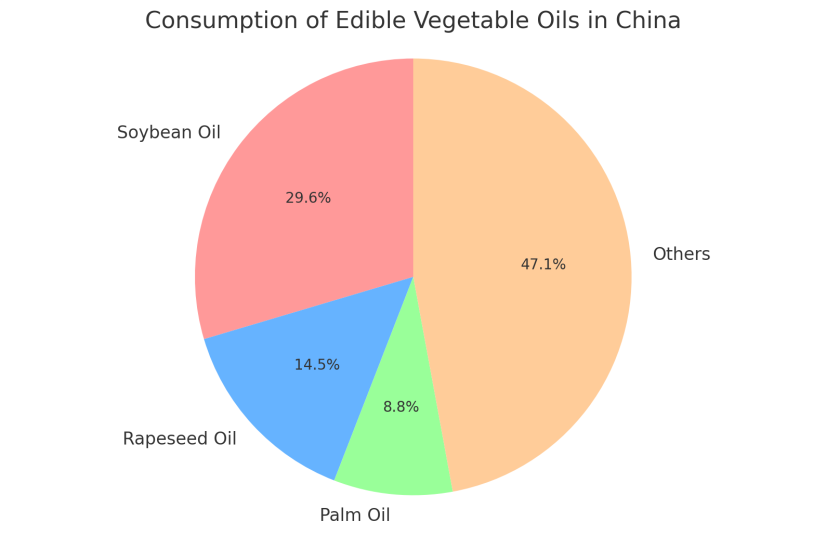
High-consumption oils have more manufacturers and sales channels, making them more prone to contamination during transport. Therefore, soybean oil and rapeseed oil should be avoided. Due to aflatoxins, erucic acid, and GMO concerns, avoid soybean oil and rapeseed oil, and also exclude corn oil and peanut oil. Oils priced over 30 RMB per liter, such as grape seed oil and olive oil, are too expensive for regular use. Therefore, sunflower oil and flaxseed oil are excellent options. Both are typically non-GMO; sunflower oil is rich in unsaturated fatty acids and vitamin E, while flaxseed oil contains alpha-linolenic acid, a plant-based omega-3 fatty acid that helps reduce inflammation and supports heart and brain health.
The author previously favored sunflower oil, but due to the Russo-Ukrainian War, a favored Ukrainian sunflower oil is no longer available. Considering recent mineral oil contamination events, less popular oils like flaxseed oil may be safer.